
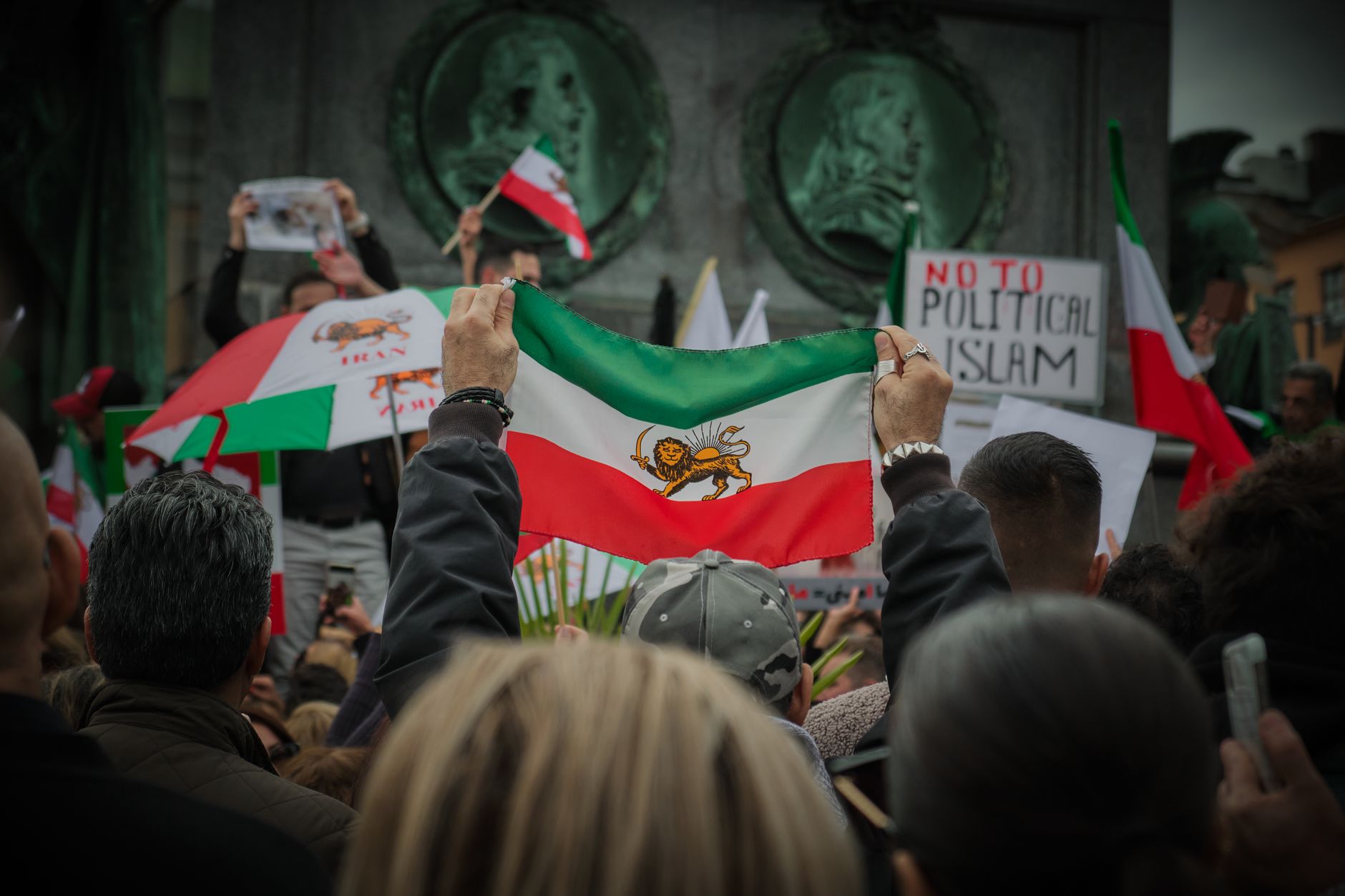
US VP Vance Iran conflict is a significant topic as it involves the delicate categorization of hostilities between nations. This ongoing situation raises questions about diplomatic relations.
Understanding the US-Iran Relationship
The relationship between the United States and Iran has been complex and fraught with tension for decades. Understanding the nuances of this relationship is essential, especially in light of recent comments by US VP Vance regarding the ongoing hostilities. In his latest address, Vance emphasized that he would not categorize the situation as a war, which reflects a broader strategy of managing conflict without escalation.
Several key factors contribute to the ongoing tensions:
- Historical Context: The 1979 Iranian Revolution marked a significant turning point, leading to the severance of diplomatic ties and the establishment of mutual distrust.
- Geopolitical Interests: Both nations have conflicting interests in the Middle East, particularly in regard to Syria and Iraq, where their influence often clashes.
- Nuclear Concerns: Iran’s nuclear program remains a significant point of contention, with the US and its allies fearing the potential for nuclear proliferation.
- Economic Sanctions: The imposition of sanctions has strained Iran’s economy and has been a focal point of US foreign policy.
As VP Vance navigates this delicate situation, understanding the US-Iran relationship is crucial for analysts and policymakers alike. With rising tensions, the focus remains on finding diplomatic avenues to address the underlying issues without escalating into full-scale conflict.
Recent Statements from US Officials
Recent statements from US officials, including Vice President Vance, have shed light on the ongoing tensions between the United States and Iran. In a press briefing, Vance emphasized the importance of accurately categorizing the current situation, stating he would not “call it a war” with Iran. This statement has stirred discussions among political analysts and international relations experts.
Vance’s remarks reflect a cautious approach to the escalating conflict, which has been marked by a series of military engagements and diplomatic standoffs. He noted that while hostilities persist, the administration is focused on exploring all avenues for de-escalation. His comments come amid rising concerns over Iran’s nuclear program and its involvement in regional conflicts.
Key points made by Vance include:
- Diplomatic Efforts: The administration is committed to pursuing diplomatic solutions alongside military readiness.
- Regional Stability: Ensuring the security of allies in the region remains a priority for US foreign policy.
- Public Perception: Vance acknowledged the importance of public understanding regarding the complexities of the US-Iran relationship.
As the situation evolves, the administration’s stance may shift, but for now, US VP Vance’s careful wording suggests a deliberate effort to manage both domestic and international perceptions of the conflict.
The Impact of Hostilities on Diplomacy
The escalating hostilities between the United States and Iran have raised significant concerns regarding the future of diplomatic relations. US Vice President Vance recently stated that he would not categorize the situation as a war, a remark that reflects a nuanced approach to understanding the ongoing conflict. This perspective is crucial for framing how both nations can navigate their differences without resorting to further escalation.
As tensions rise, the impact of these hostilities on diplomacy cannot be overstated. The potential for dialogue seems increasingly limited, yet it remains essential for both sides to explore avenues for communication. The following points outline the implications of the current situation:
- Increased Sanctions: The US may impose additional sanctions, which could hinder diplomatic engagement.
- Public Perception: Hostilities can fuel nationalistic sentiments, making compromise more challenging.
- Third-Party Mediation: Countries like Oman and Qatar could play a role in facilitating discussions between the two parties.
- Long-Term Stability: A lack of diplomacy may lead to prolonged instability in the region, affecting global oil markets.
Understanding the implications of these hostilities is vital for strategizing a path forward. As US VP Vance emphasizes, maintaining open lines of communication could be the key to preventing further conflict and fostering a more stable future.
Historical Context of US-Iran Tensions
The historical context of US-Iran tensions is critical to understanding the current situation. Since the 1979 Iranian Revolution, relations between the two nations have been fraught with conflict and distrust. The overthrow of the Shah, who was supported by the US, and the subsequent establishment of the Islamic Republic led to a breakdown in diplomatic relations that persists today.
The Iran Hostage Crisis, where 52 American diplomats and citizens were held hostage for 444 days, marked a significant low point in bilateral relations. This event solidified negative perceptions of Iran within the US and contributed to ongoing animosities. Over the years, the US has imposed various sanctions on Iran, particularly in response to its nuclear program and allegations of supporting terrorism.
Furthermore, military engagements in the region, including the Iraq War, have complicated the landscape. The US’s stance towards Iran has often been influenced by its relationships with other countries in the Middle East, especially Israel and Saudi Arabia. As US VP Vance noted, understanding the complexities of the US-Iran conflict requires acknowledging these historical grievances, as well as the evolving geopolitical dynamics.
The current hostilities, while serious, are part of a broader pattern of interactions that have defined US-Iran relations for decades, making resolution challenging.
Public Opinion on the Conflict
Public opinion regarding the ongoing conflict involving the US and Iran has become increasingly polarized, particularly in light of recent remarks made by US VP Vance. In his statements, Vance emphasized that he would not label the situation as a “war,” highlighting the complexity of public sentiment on this issue.
Many Americans are concerned about the potential for escalating hostilities, with some viewing the situation as a threat to national security. According to a recent poll, a significant percentage of the population believes that the government should prioritize diplomatic solutions over military action. This perspective reflects a desire for peace and stability in a region often marked by conflict.
Conversely, there are also voices in support of a more aggressive stance against Iran. Proponents of a hardline approach argue that strong measures are necessary to deter further aggression from Tehran. This division in public opinion has led to heated debates across media platforms and political arenas.
As US VP Vance continues to navigate the complexities of the US-Iran relationship, understanding the diverse views of Americans is crucial. The ongoing dialogue surrounding the US VP Vance Iran conflict underscores the challenges faced by policymakers in responding to both domestic concerns and international pressures.
Future Prospects for Peace
The future prospects for peace between the US and Iran hinge on diplomatic engagement and mutual understanding. As tensions continue to escalate, the role of US VP Vance is becoming increasingly critical in shaping the narrative around the conflict. Vance has emphasized that he would not categorize the current situation as a war, which reflects a desire to keep diplomatic channels open.
In light of this approach, several key factors will influence the potential for de-escalation:
- Diplomatic Initiatives: Continued dialogue between US and Iranian officials is essential. Vance’s administration is exploring avenues for negotiation that could lead to a reduction in hostilities.
- International Cooperation: Engaging with allies and regional partners may create a united front that encourages Iran to reconsider its aggressive postures.
- Public Sentiment: Understanding and addressing public opinion in both countries can pave the way for grassroots support for peace initiatives.
- Economic Considerations: The impact of sanctions and economic pressure on Iran will likely remain a pivotal element in the discussions.
Ultimately, the pathway to resolving the US-Iran conflict will require a delicate balance between maintaining national security and fostering an environment conducive to peace. US VP Vance’s approach may set the tone for how both nations navigate future interactions.
The US VP Vance Iran conflict has escalated tensions in the region, prompting discussions on diplomatic resolutions. Understanding the nuances of the US VP Vance Iran conflict is crucial for assessing the broader implications for international relations.
Photo by Artin Bakhan on Pexels